Cover Up Tattooing
Cover Up Tattoos With Realistic Planning
Send a clear photo of the existing tattoo. Get a Free Estimate
Cover Up Tattooing
Send a clear photo of the existing tattoo. Get a Free Estimate
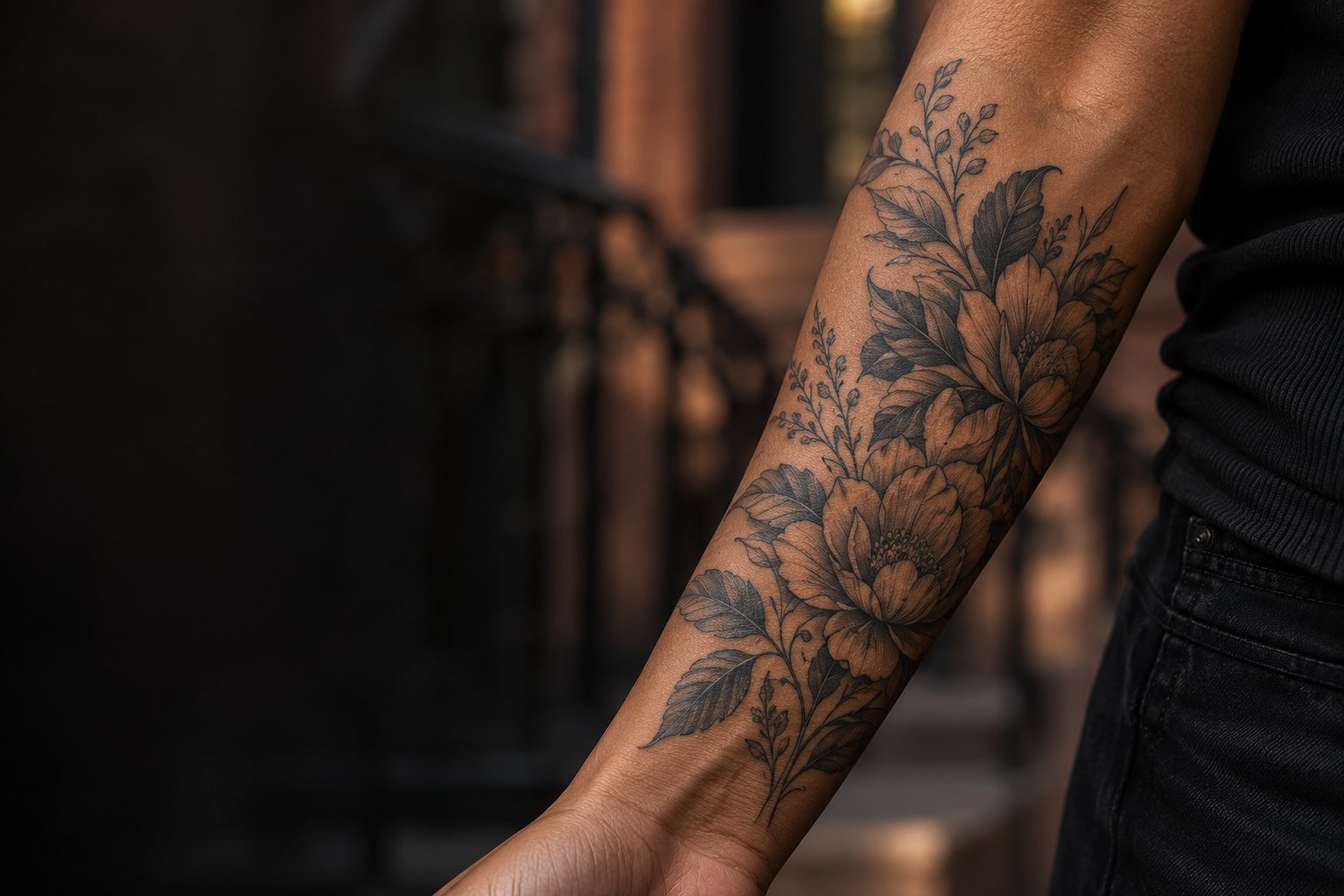
Cover up tattooing is different from designing on untouched skin because the existing tattoo becomes part of the problem the new design has to solve. Its size, darkness, color, line density, location, age, and condition can all affect what is practical. A new tattoo may need to be larger, darker in selected areas, or composed differently than the first idea a client had in mind.
The most useful first step is a clear, well-lit photograph of the existing tattoo taken straight on, along with approximate dimensions and an explanation of what you would like instead. Additional images showing nearby skin can also help establish how much room is available around the old piece.
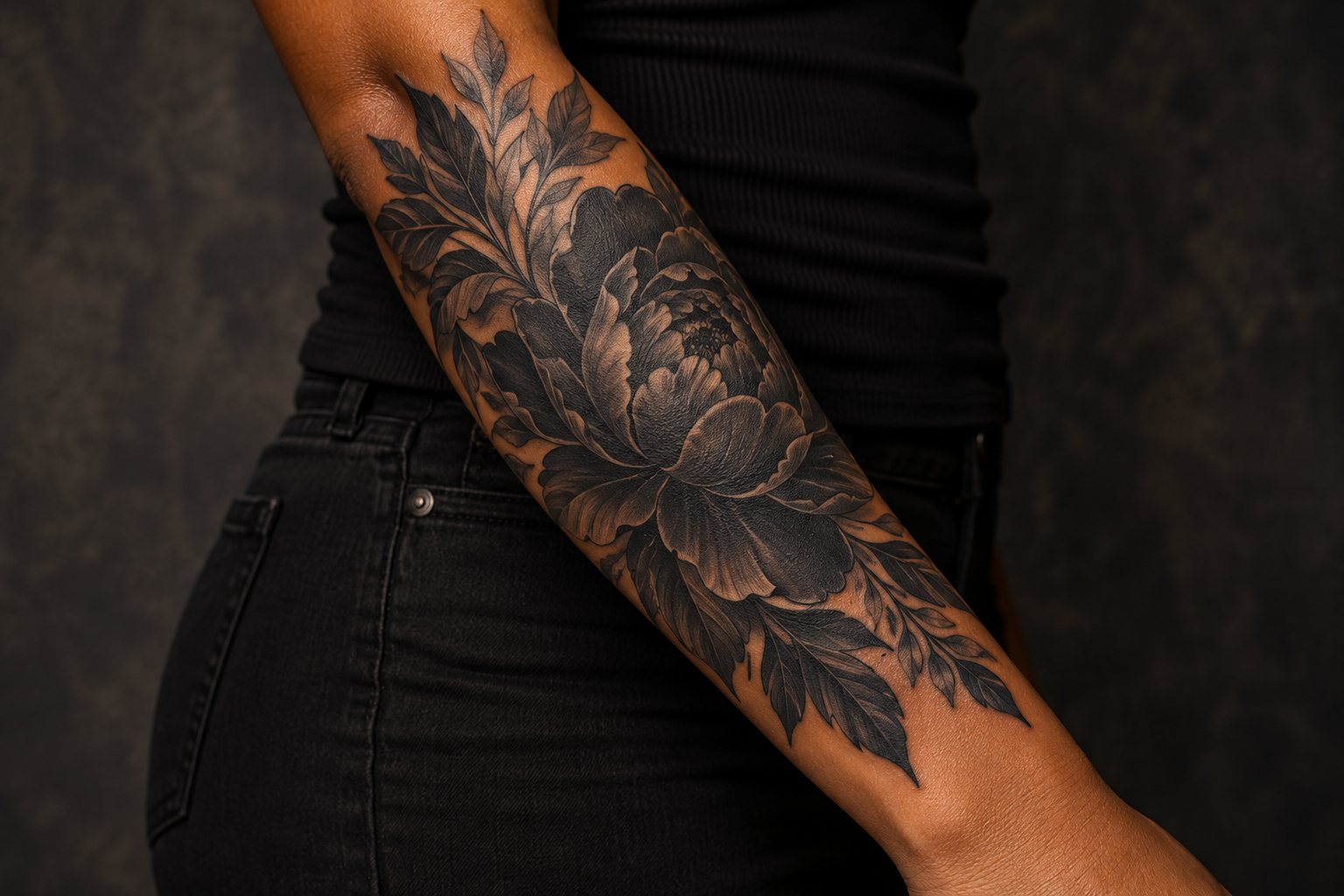
There is no single cover up formula. The goal is to find a new composition that works with the information already in the skin rather than pretending it is not there.
Dense black or very dark areas limit what can simply be placed over them. The new composition needs enough visual strength in the appropriate locations to account for those areas.
Cover ups commonly require more space than the original tattoo. Additional room provides more freedom to redirect attention and integrate the existing shape.
Some subjects naturally provide useful areas of texture, shadow, pattern, or color. Being open to adapting the concept can create more workable options.
The appearance and condition of the existing tattoo should be assessed from current photographs. Older reference images may not accurately show what needs to be covered now.
| Service | Estimated Cost | Average |
|---|---|---|
| Small cover up | Quoted after photo review | Varies by existing tattoo |
| Detailed cover up | Quoted after consultation | Varies by complexity |
| Large rework or cover up | Quoted after consultation | Varies by coverage and sessions |
Cover up projects require individual review because the existing tattoo materially affects design choices, size, complexity, and appointment requirements.
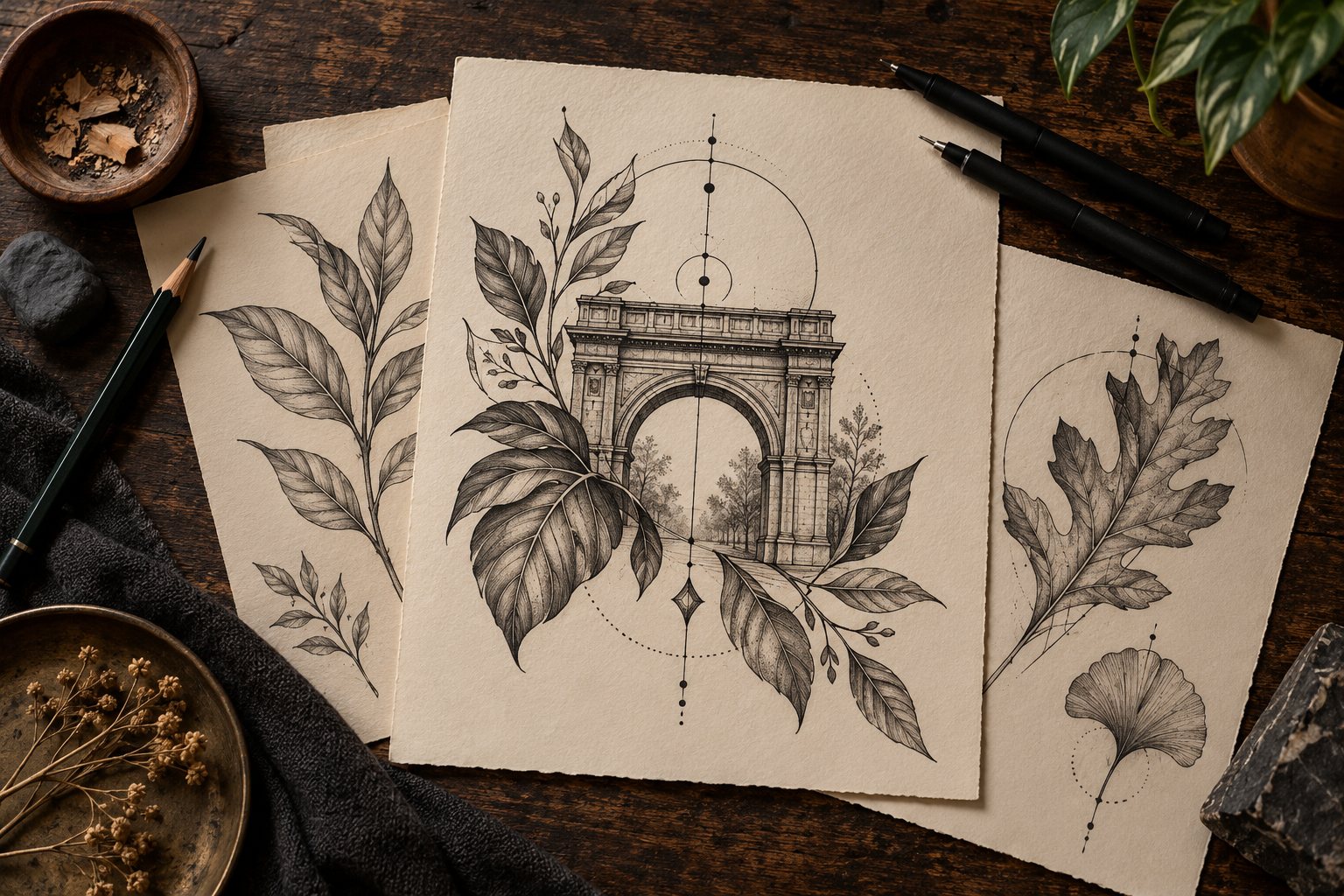
Cover up planning begins with what is actually present rather than promising that any new design can automatically hide it.
The new concept can be shaped around the areas that require the most visual control while still aiming for a coherent tattoo.
Size, darkness, and subject flexibility are discussed early because they can determine whether an idea is workable.
Include a current photo of the tattoo you want covered, its approximate size, and examples of the new direction you like.
Free — no obligations
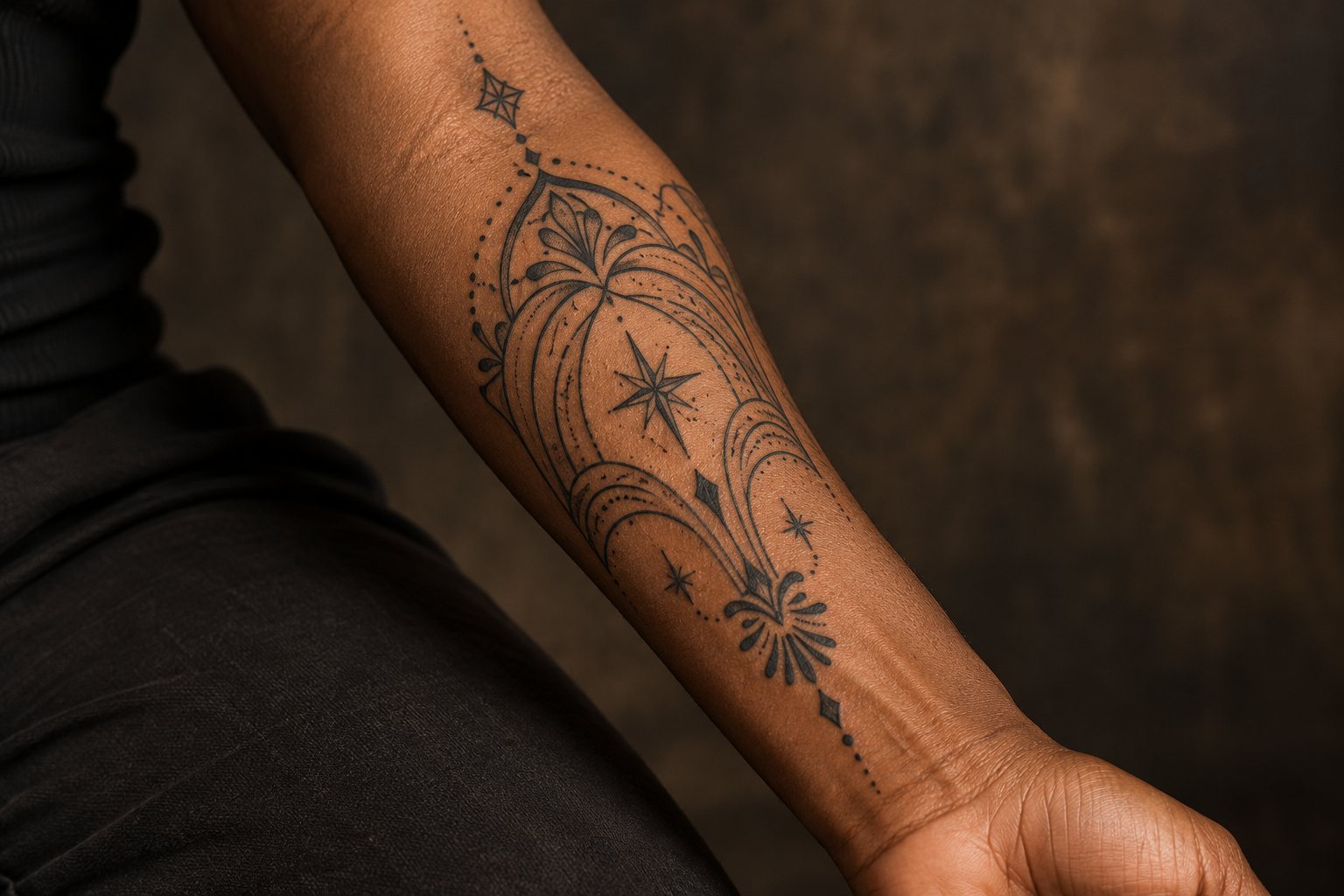
Provide clear, well-lit images of the existing tattoo and enough surrounding skin to understand the available space.
Share subjects, styles, or directions you are interested in and what you no longer want emphasized.
The existing darkness, dimensions, and placement can be considered against possible new compositions.
Once a workable direction is identified, size and appointment requirements can be discussed.